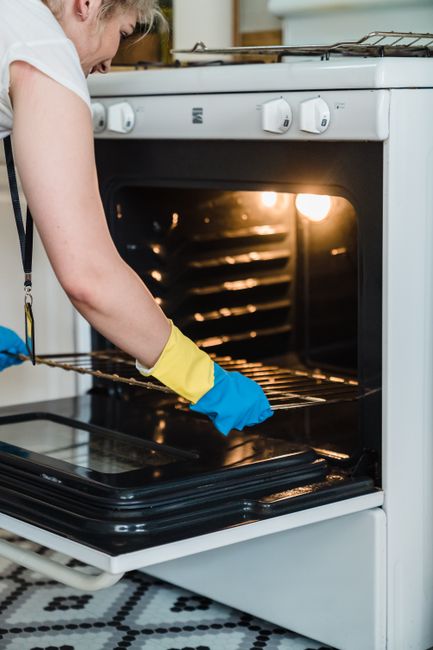
Why Kitchens Need Extra Attention in Summer, and What Most People Miss
Warmer temperatures speed up bacterial growth on kitchen surfaces, and the extra cooking and entertaining that comes with a Gold Coast or Brisbane summer means more spills, more food residue, and more opportunity for problems most households do not think to check until something smells wrong.
Green Wave Cleaning Team
Gold Coast & Brisbane
Kitchens need extra attention in summer because warmer temperatures speed up bacterial growth on surfaces that are only lightly cleaned, at the same time as the extra cooking and entertaining a Gold Coast or Brisbane summer brings means more spills and more food residue sitting around for bacteria to work with. The combination of more risk and more mess is exactly why a kitchen that coasted through winter on a quick daily wipe needs a more thorough routine once summer starts.
Contents
- Why heat changes kitchen hygiene, not just comfort
- The spots most households miss
- Fridges work harder and need more attention
- Entertaining season means more risk, not just more mess
- Why a fortnightly deep clean beats a daily wipe-down
- What you can handle yourself between visits
- When we are not the right fit
- Frequently Asked Questions
Why heat changes kitchen hygiene, not just comfort
Bacteria that cause food spoilage and illness generally grow fastest in what food safety authorities call the temperature danger zone, roughly between 5 and 60 degrees Celsius, and grow faster still the warmer conditions get within that range. A Queensland kitchen in summer, particularly one without air conditioning running constantly or with a benchtop that sits in direct afternoon sun, spends more time at the warmer end of that range than the same kitchen does through winter.
Food Standards Australia New Zealand advises that perishable food should not sit at room temperature for more than two hours, and that this window shortens in hot weather. A benchtop smear of raw meat juice or a dairy spill that would have been a minor issue left for an hour in a cool kitchen is a faster-developing problem in a hot one. This is not about any one household being careless. It is about the same habits carrying more risk once temperatures rise. Queensland Health makes the same point about home food safety specifically in a Queensland climate, where ambient kitchen temperatures through summer sit well above what the rest of the country experiences for most of the year.
The spots most households miss
The gap between the stove and the cabinetry. Grease, crumbs, and liquid spills work their way into this gap constantly and are almost never cleaned during a normal wipe-down because the gap is narrow and easy to ignore.
Inside the rangehood filter. Grease builds up here steadily and, in summer heat, becomes stickier and more odour-prone than it does in cooler months. A filter that has not been degreased in several months is both a fire risk and a persistent, hard-to-place kitchen smell.
The rubber seal around the fridge door. Food residue and condensation collect in the folds of the seal and are rarely wiped because they are not visible without looking closely. In summer, with the fridge working harder, this area sees more condensation and more opportunity for mould.
Underneath small appliances, including toasters and kettles, where crumbs and spills accumulate completely out of sight.
Bin areas, both the bin itself and the floor or cupboard underneath it, where residue and spilled liquid from bags can sit against a warm surface.
Fridges work harder and need more attention
A fridge in summer is working harder to maintain its internal temperature against a warmer kitchen, which means it is also accumulating more condensation and running its compressor more frequently. This has two consequences worth knowing about. First, condensation inside the fridge, particularly around the seal and in the crisper drawer area, creates a damp environment where mould can establish if those areas are not wiped periodically. Second, an overstocked fridge, common in summer when more food is being bought for entertaining, restricts airflow inside the unit and makes it work even harder to maintain temperature, which in turn increases the risk of parts of the fridge sitting warmer than they should.
Clearing out expired items and wiping shelves and the door seal every few weeks through summer, rather than only during an occasional big clean-out, keeps the fridge working efficiently and keeps food genuinely safe at the temperature it is meant to be stored at.
Entertaining season means more risk, not just more mess
Summer brings more visitors, more shared food, and more cooking for a crowd than any other season, which multiplies the number of hands touching surfaces, the number of times raw and cooked food cross paths on a benchtop, and the number of spills that happen during a busy cook rather than a quiet weeknight meal. None of that is a problem on its own. It becomes a problem when the kitchen is not being cleaned at a pace that matches the increased use.
A kitchen used for three dinner parties in December needs more than the same cleaning routine that was adequate for quiet weeknight cooking in June. See how to get your home guest ready before the Christmas season for the broader timeline this fits into if you are hosting over the holidays.
Why a fortnightly deep clean beats a daily wipe-down
A daily wipe of visible surfaces is necessary but not sufficient in summer. It handles what is visible and leaves everything described above, the gaps, the seals, the filters, to accumulate unnoticed until there is a smell or a visible problem. By that point what would have been a quick fortnightly task has become a genuine deep clean job.
Regular cleaning is cheaper than deep cleaning. People who skip regular attention to save time end up facing a bigger, harder job later, and a kitchen that has gone months without attention to the rangehood filter or fridge seal in summer heat is a harder, less pleasant job to tackle than one that has been kept on top of every fortnight. A fortnightly domestic cleaning visit that specifically includes these overlooked areas keeps a summer kitchen genuinely clean, not just tidy on the surface.
What you can handle yourself between visits
Wipe the fridge door seal weekly with a damp cloth, paying attention to the folds where condensation collects.
Degrease the stovetop and the gap beside it every few days rather than letting it build up across a week of cooking.
Empty the kitchen bin before it is completely full, particularly in summer when contents break down and smell faster in the heat.
Do a fridge clear-out every two to three weeks through summer rather than waiting for a monthly or occasional purge.
When we are not the right fit
If your kitchen has a pest issue already established, our standard clean will not resolve it. See why summer is when ants and pests appear, and how regular cleaning helps keep them out for the distinction between cleaning and pest control, and call a licensed pest control operator first if that is where you are starting from.
If you want a single deep clean before summer entertaining starts with no ongoing schedule, we will quote you, but the honest answer is that the areas covered in this guide need repeat attention through the season, not a once-off fix, to actually stay on top of summer heat and extra use.
For regular eco-friendly kitchen cleaning that keeps pace with a Gold Coast or Brisbane summer, get a quote at greenwavecleaning.com.au/get-a-quote.
Frequently Asked Questions
Why does my kitchen smell worse in summer even when I clean it the same way I always do?
Heat speeds up bacterial activity and odour development from food residue in areas a normal wipe-down does not reach, including the rangehood filter, the fridge seal, and the gap beside the stove. The same amount of residue produces a stronger smell faster in a warm kitchen than it would in a cool one, which is why a cleaning routine that worked fine in winter can fall short once summer heat sets in.
How often should I clean my fridge seal and interior in summer?
Wipe the door seal weekly and do a fuller interior clean, including the crisper drawers and shelves, every two to three weeks through summer. The fridge works harder and accumulates more condensation in hot weather, which increases the risk of mould in the seal if it is left too long between cleans.
Is it worth getting a professional kitchen clean before summer entertaining season?
Yes, particularly if the rangehood filter, the gap beside the stove, or the fridge seal have not had proper attention in several months. These are the areas a quick daily wipe does not reach, and starting summer with them already addressed means the extra cooking and entertaining season is working with a genuinely clean baseline rather than one with months of accumulated residue underneath it.
What is the biggest food safety risk in a Queensland kitchen over summer?
Perishable food sitting at room temperature for too long, which happens faster in hot weather because the safe window shortens. This is less about cleaning and more about handling, but a kitchen with clean, well-organised surfaces and a properly maintained fridge makes it easier to manage food safely during the busy entertaining stretch over summer.
Photo: Pexels — royalty free
Need professional eco cleaning?
Green Wave Cleaning serves Gold Coast and Brisbane with plant-based, eco-certified products on every job.
Get a personalised quote