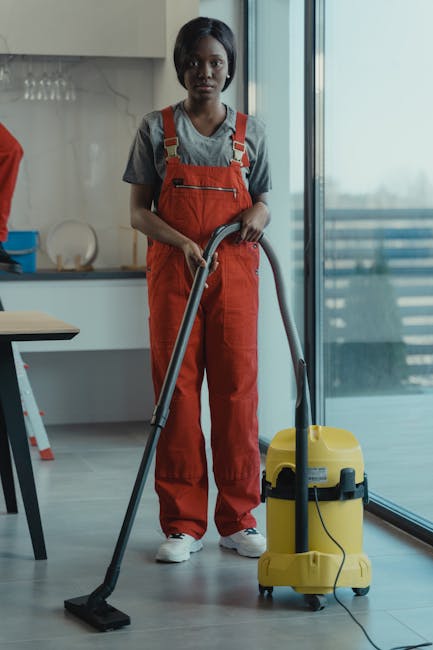
Steam Cleaning vs Chemical Cleaning for Floors and Carpets: What Australian Families Should Know
For sealed hard floors, steam cleaning is highly effective and leaves no chemical residue — which matters in homes where children and pets are in direct contact with the surface. For carpets, the method that works best depends on the carpet type, how deep the clean needs to go, and how quickly the floor needs to be back in use. The right choice is different for each surface.
Green Wave Cleaning Team
Gold Coast & Brisbane
For sealed hard floors, steam cleaning is highly effective and leaves no chemical residue — which matters in homes where children and pets are in direct contact with the surface. For carpets, the comparison is more nuanced. The method that works best depends on the carpet type, how deep the clean needs to go, and how quickly the floor needs to be back in use.
Neither method is universally better. The right choice is different for each surface in a home, and for Australian families in particular, the Queensland climate adds one more variable: drying time matters more here than it does in drier parts of the country.
Contents
- What steam cleaning actually does
- What chemical cleaning does
- Hard floors — which method suits which surface
- Carpets — the key difference between methods
- Why chemical residue on floors matters for families
- What Queensland humidity changes about this decision
- What eco floor cleaning actually means
- What a regular professional clean does for your floors
- When to book a dedicated carpet clean
- When we are not the right fit
- Frequently Asked Questions
What steam cleaning actually does
Steam cleaning uses superheated water vapour — typically delivered at 100 to 150 degrees Celsius — to break down grease, soil, and organic residue on surfaces. The heat does the cleaning work, not chemistry. The vapour penetrates the surface at a microscopic level, loosens what is bonded there, and the residue is wiped or extracted away.
The result leaves no chemical residue on the surface. Once the vapour dries — which happens quickly because very little liquid water is involved — the surface is clean with nothing remaining except what was already part of the floor itself.
At those temperatures, steam also kills dust mites, most common bacteria, and many viruses on contact. This matters in households with allergies, respiratory conditions, or young children. An independent review published by CHOICE Australia on steam cleaners notes the capability for sanitisation without chemical additives as a key advantage.
The limit of steam cleaning is that it requires a surface that can withstand sustained heat and moisture exposure. Not every floor can.
What chemical cleaning does
Chemical floor cleaning uses surfactant-based solutions — either conventional petroleum-based or plant-based — to break the bond between soil, grease, and the floor surface. The surfactant surrounds the soil particles, allows them to be lifted by a mop or cloth, and rinsed or wiped away.
The cleaning effectiveness of chemical floor cleaning depends on the chemistry used, the dwell time on the surface, and the physical action of mopping. Done well, it cleans effectively and is appropriate for a wide range of surface types, including surfaces that steam is not suitable for.
The variable that matters most for families is residue. Many conventional floor cleaning products are formulated to leave a thin film on the surface — this can include fragrances, optical brighteners, and surfactant residue that persists after mopping until the next clean. In a home where children crawl on hard floors and pets walk across every surface, that residue is in regular direct contact with skin, paws, and mouths. See why families with children should care what their cleaner uses for more on the specific concerns around chemical residue in homes with young children.
Eco plant-based cleaning products reduce this concern without eliminating it entirely — plant-based surfactants are biodegradable and generally safer, but a surface cleaned with any surfactant-based product still benefits from rinsing. The product choice matters, and on floor surfaces that children and pets contact directly, it matters more than on, for example, a kitchen bench that is wiped with a cloth after cleaning.
Hard floors — which method suits which surface
The answer is surface-specific.
Sealed ceramic and porcelain tiles. Steam cleaning is highly effective and appropriate. The ceramic surface is impervious to heat and moisture, the grout is protected by the glaze, and steam reaches into the surface texture that traps fine soil. This is the ideal surface for a steam mop.
Vinyl plank and LVT (luxury vinyl tile). Most modern vinyl plank and LVT flooring tolerates steam cleaning, but check the manufacturer's guidance. Older vinyl, particularly glued-down sheet vinyl, can be loosened by sustained heat and moisture at the seams. For vinyl, a damp mop with a plant-based floor cleaner is a reliable and safe choice for regular maintenance.
Sealed hardwood timber. Use steam with significant caution. A quality polyurethane or hardwax oil seal protects the timber from the moisture, but sustained heat can cause the seal to soften and lift over time, and any steam that penetrates a scratch or gap in the seal can cause the timber beneath to swell. A damp — not wet — mop with a hardwood-appropriate eco cleaner is safer for regular use. Steam is not recommended for regular maintenance of timber floors.
Laminate flooring. Do not steam clean laminate. Laminate is a photographic layer over a fibreboard core, sealed with a wear layer. The fibreboard core expands when wet and does not recover. Sustained heat and moisture from a steam mop will cause lifting, swelling, and joint separation. Chemical cleaning with a well-wrung mop and a manufacturer-approved cleaner is the correct method.
Unsealed stone (travertine, sandstone, some marble). Steam can be used briefly but the heat and moisture can open the pores of soft stone and accelerate staining risk. A pH-neutral plant-based cleaner applied carefully with minimal moisture is the safer approach.
Carpets — the key difference between methods
For carpets, the terminology is different and the comparison involves more than two options.
Hot water extraction (commonly called steam cleaning). Despite the name, this method does not use steam — it uses hot water, typically at 60 to 80 degrees Celsius, injected into the carpet pile at high pressure and immediately extracted by vacuum. The heat and water together dissolve embedded soil, dust mite debris, pet dander, and biological material from deep in the carpet fibres, and the extraction removes it.
Hot water extraction is the most thorough carpet cleaning method for deeply embedded soil. Australia's carpet industry body ACCS (Australian Carpet Classification Scheme) recommends hot water extraction as the standard method for deep carpet cleaning, noting it is endorsed by most carpet manufacturers for regular maintenance cleans.
The limitation is drying time. After hot water extraction, a carpet typically takes four to twelve hours to dry completely, depending on the carpet pile depth, the ambient humidity, and the ventilation available. In a Queensland wet season bathroom, that drying time is at the longer end.
Chemical encapsulation. A polymer-based chemical is applied to the carpet and worked into the pile with a rotary machine. The polymer surrounds soil particles and, as it dries, crystallises into a powder that is then vacuumed up. Drying time is one to two hours. It is effective for surface maintenance cleaning and commercial carpets with light soil, but does not reach embedded soil the way hot water extraction does.
Dry chemical (absorbent powder) methods. An absorbent compound is applied and worked through the pile, and vacuumed up. Almost no drying time. Suitable for lightly soiled carpets in commercial settings or for sensitive areas where any moisture is a problem.
For Australian families with children and pets, hot water extraction is the preferred method for periodic deep carpet cleaning — it removes biological material more thoroughly than any dry method. The practical management is timing the clean during a drier period and allowing a full day before the carpet is used heavily.
Why chemical residue on floors matters for families
A family in Palm Beach had been using a different cleaning company for about a year. Their golden retriever started getting skin irritations that the vet could not immediately explain. After ruling out food and environment the vet suggested looking at cleaning products.
They switched to us. Within six weeks the dog was back to normal. The vet confirmed it was likely a reaction to a chemical surfactant in the previous cleaner's products. The family have been with us for two years and tell that story to anyone who asks why they use an eco cleaner.
Floors are the surface most consistently in contact with the household's most vulnerable members — children who crawl and play at floor level, and pets who walk across every surface, lick their paws, and lie on rugs and carpets. Conventional cleaning chemicals are a problem in homes with kids, pets, and people with sensitivities. Eco does not mean less effective. It means you are not trading a clean house for a chemical headache.
This is specifically relevant for floors because the contact is prolonged and direct. A bench that is wiped and then prepared on is different from a floor that a child or dog is on for hours every day. The product choice for floors matters more, not less.
Our eco approach covers the specific product certifications and chemistry we use. All our floor cleaning uses plant-based, biodegradable, low-residue formulas on every visit.
What Queensland humidity changes about this decision
The Gold Coast and Brisbane's wet season — typically November to April — creates specific conditions that affect both the method choice and the drying outcome.
For hard floors, the humidity itself is less of an issue. Sealed tile, vinyl, and hardwood cleaned with a wrung mop and appropriate product dry quickly in a ventilated space. The more relevant factor is that high-humidity conditions mean mould can establish on organic residue left on floor surfaces, particularly grout. Steam cleaning on tiles is useful in this context — the heat kills organic residue without adding the moisture of a soapy mop.
For carpets, the wet season is the wrong time to schedule hot water extraction. The ambient humidity significantly slows drying — a carpet that dries in four hours in September can take twelve or more in February. A carpet that remains damp for that period in a Queensland home during summer is at real risk of mould establishing in the underlay before it dries. Book carpet hot water extraction in the dry season — May through October — when lower ambient humidity and better ventilation opportunities make the drying timeline manageable.
The Bureau of Meteorology records mean relative humidity in Brisbane during summer at 65 to 75 percent overnight, with afternoon readings still above 55 percent. On the Gold Coast coastal areas, these figures are consistently higher. The drying time difference between a dry-season carpet clean and a wet-season one is real and significant.
What eco floor cleaning actually means
Plant-based surfactants clean floors by the same mechanism as petroleum-based ones — they surround soil particles and allow them to be lifted and rinsed away. The difference is what they are derived from, how they break down after use, and what residue they leave.
Petroleum-based surfactants are persistent — they do not break down quickly in water and can bioaccumulate. Plant-based surfactants are biodegradable: they break down into non-toxic components relatively quickly after going down the drain, which matters when you are cleaning floors in a home near Queensland's waterways.
What this does not mean is that a plant-based floor cleaner has zero residue on the surface. It means the residue is safer for direct contact than the petroleum-based alternative, and that the downstream environmental effect of the product is lower. For households wanting the lowest possible residue on hard floors — particularly for rooms where infants are on the floor — combining a plant-based chemical clean with occasional steam cleaning gives both the deep soil removal and the residue-free finish.
For more on how indoor chemical exposure affects air quality and health in the home, see indoor air quality and cleaning: what most people get wrong.
What a regular professional clean does for your floors
A regular domestic cleaning visit includes hard floor vacuuming and mopping throughout the property with a plant-based floor cleaning solution, and vacuuming of carpeted areas. The mopping removes surface soil and light grime from hard floors on the fortnightly cycle. This is maintenance cleaning — it keeps floors in good condition between periodic deeper treatment.
What a regular clean does not include is carpet hot water extraction or tile steam treatment. Those are deeper methods appropriate once or twice a year, not fortnightly. The fortnightly mop keeps the surface clean; the annual or bi-annual carpet extraction removes what has accumulated deeper in the pile over months of use.
The combination that works for most Gold Coast and Brisbane families: fortnightly professional floor maintenance plus annual carpet hot water extraction (timed in the dry season) and periodic tile steam cleaning if tiles are heavily used.
When to book a dedicated carpet clean
A periodic carpet hot water extraction is appropriate:
- Once a year for carpeted areas with moderate foot traffic
- Twice a year for households with dogs or cats, or high-traffic carpeted areas
- After a specific event — a spill, an accident, or a period of heavy use
- Before or after a house move — extracting embedded soil from the previous occupant's use, or leaving the carpet in a condition that suits the next
- In the dry season on the Gold Coast and Brisbane (May to October) for the best drying outcome
The carpet cleaning service we offer uses hot water extraction. Get a quote for your specific carpet area at greenwavecleaning.com.au/get-a-quote.
When we are not the right fit
If your carpet or hard floor has a structural or manufacturer warranty issue — a seal failure on timber, a delaminating vinyl, grout that is cracking — cleaning will not address the underlying problem. Those need a tradesperson first.
If you need a same-week carpet clean booking, we may not have availability. We work from a schedule booked ahead.
If you are looking for the cheapest available floor clean or carpet extraction, that is not us. The product standard and the equipment used in a professional job are reflected in the price.
For a fortnightly domestic cleaning schedule that keeps your hard floors maintained, or a carpet cleaning booking for deep extraction — get a quote at greenwavecleaning.com.au/get-a-quote.
Frequently Asked Questions
Is steam cleaning better than chemical cleaning for floors?
For sealed ceramic and porcelain tiles, steam cleaning is highly effective — it leaves no chemical residue and sanitises the surface at high temperatures. For laminate, do not use steam at all, as the moisture damages the fibreboard core. For hardwood, use steam sparingly and with caution. For vinyl, check the manufacturer's guidance. Chemical cleaning with a plant-based product and a well-wrung mop is safer and appropriate for surfaces that cannot tolerate sustained heat or moisture.
What is the difference between steam cleaning and hot water extraction for carpets?
They are different methods with similar names. Steam cleaning for hard floors uses dry superheated vapour. Hot water extraction for carpets uses pressurised hot water injected into the carpet pile and immediately vacuumed out. Hot water extraction is the most thorough method for deep-seated carpet soil and is recommended by most carpet manufacturers and the Australian Carpet Classification Scheme. It requires four to twelve hours drying time — longer in Queensland wet season conditions.
Is chemical cleaning safe for children and pets?
It depends on the product. Conventional floor cleaners with petroleum-based surfactants leave residue on surfaces that children and pets contact directly and for extended periods. Plant-based, biodegradable floor cleaning products are safer for direct contact and have a lower environmental residue. For households with young children, infants who are at floor level, or pets who lick their paws, the product choice for floor cleaning matters more than for most other surfaces in the home.
When is the best time to get carpets professionally cleaned in Queensland?
The dry season — May to October — gives the best drying outcome. Hot water extraction leaves carpets damp for four to twelve hours, and Queensland's wet season humidity significantly extends drying time, with the risk of mould establishing in underlay before the carpet dries. Booking carpet extraction in September or October also coincides with the pre-wet-season spring clean window.
Why does carpet steam cleaning take so long to dry in Queensland?
Carpet hot water extraction introduces significant moisture into the pile and underlay. Drying depends on ambient humidity, air circulation, and the depth of the carpet pile. In Queensland's wet season, ambient humidity is consistently above 65 to 75 percent overnight, which slows evaporation. A carpet that dries in four to six hours in dry conditions can take ten to twelve hours in February on the Gold Coast. Fans, air conditioning, and open windows speed the process, but the wet season timing still extends it meaningfully.
Photo: Pexels — royalty free
Need professional eco cleaning?
Green Wave Cleaning serves Gold Coast and Brisbane with plant-based, eco-certified products on every job.
Get a personalised quote