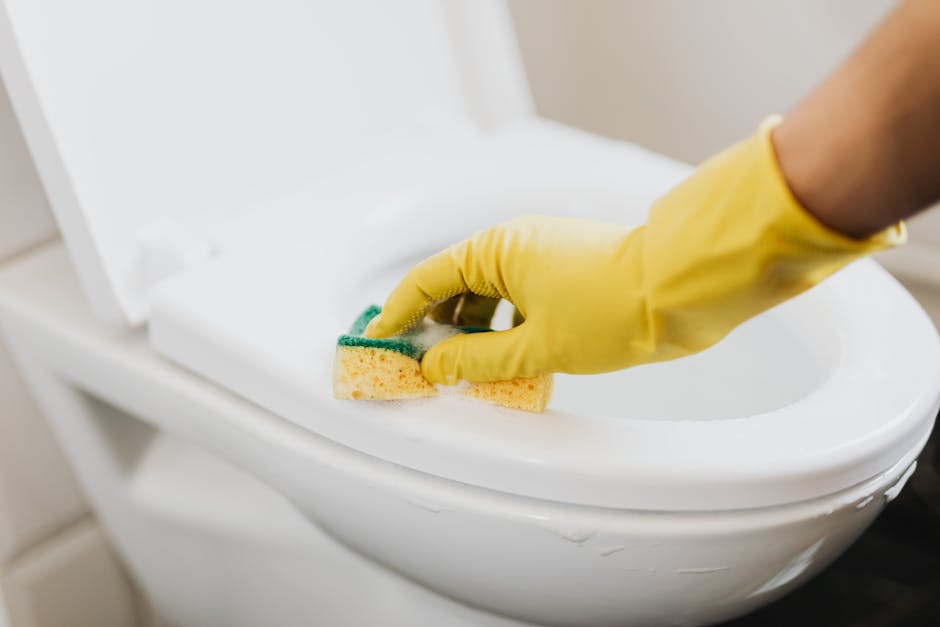
How to Keep Bathrooms Fresh and Mould Free Through Queensland Summer
Queensland summer humidity gives bathroom mould everything it needs: warmth, moisture, and grout and silicone that rarely get a chance to fully dry. Keeping a bathroom genuinely fresh through the wet season comes down to airflow and a cleaning cadence that matches how fast humidity changes the risk.
Green Wave Cleaning Team
Gold Coast & Brisbane
Queensland summer humidity gives bathroom mould everything it needs at once: consistent warmth, moisture from daily showers, and grout and silicone that rarely get a genuine chance to dry out between uses. Keeping a bathroom fresh through the wet season comes down to two things working together, airflow and a cleaning cadence that matches how fast humidity actually changes the risk, not the cadence that was enough through the cooler, drier months.
Contents
- Why summer humidity is different from the rest of the year
- The role of the exhaust fan
- Where mould establishes first
- What a fortnightly summer clean should cover
- Why prevention beats treatment in a humid climate
- What you can do daily
- When we are not the right fit
- Frequently Asked Questions
Why summer humidity is different from the rest of the year
A bathroom is already the most humid room in a home on an ordinary day. In Queensland summer, when outdoor humidity regularly sits above 70 percent and barely drops overnight according to Bureau of Meteorology records, the air a bathroom is trying to dry into is itself already close to saturated. Moisture that would evaporate readily in the dry season lingers far longer in summer, which extends the window mould spores have to establish on grout, silicone, and painted surfaces.
Mould exposure is also a genuine health consideration, not just a cosmetic one. The Australasian Society of Clinical Immunology and Allergy lists mould spores among the common indoor allergen triggers in Australian homes, and notes that humid climates and poorly ventilated bathrooms are the conditions most likely to sustain an ongoing mould presence.
This is not a one-off risk after a single humid day. It is a sustained condition across the whole wet season, from roughly November through March, which is why a bathroom cleaning routine that worked through winter often is not enough once summer humidity sets in. For the specifics of what actually works against established mould, including why bleach is the wrong tool for grout, see why bleach does not fix bathroom mould and what actually works.
The role of the exhaust fan
If there is one single habit that determines whether a bathroom stays ahead of summer mould or falls behind it, it is how long the exhaust fan runs after a shower. Running it only during the shower, or for a minute or two afterward, is not enough in high humidity. The air needs time to actually clear the moisture the shower has added, and in a Queensland summer that takes longer than it does in a dry, cool month.
Twenty minutes after every shower is a reasonable minimum through summer. If your bathroom does not have an exhaust fan, or the fan is not strong enough to clear steam within a few minutes of a shower ending, that is worth addressing before summer, since no amount of cleaning fully compensates for a bathroom that cannot actually dry out between uses.
Where mould establishes first
Grout lines, particularly in the shower. Grout is porous and holds moisture longer than the tiles around it, which makes it the first place mould typically appears and the hardest place to fully remove it once established.
Silicone seals around the shower screen and bath. Silicone that stays damp for extended periods develops the dark surface staining most people recognise as bathroom mould, and in humid conditions this can appear within weeks of a seal last being properly cleaned.
The exhaust fan cover itself. Dust and moisture combine on the fan cover and grille, and a fan that is working harder to clear summer humidity also accumulates buildup faster, which can reduce its effectiveness exactly when it is needed most.
Behind and under freestanding bathroom storage, where airflow is poor and moisture from mopping or splashing has nowhere to evaporate to quickly.
What a fortnightly summer clean should cover
A bathroom clean through summer needs to go further than the shower, toilet, and basin that a quick weekly wipe usually covers. A proper fortnightly pass through the wet season should include grout lines specifically, not just the tile surface, the full length of the silicone seal around the shower and bath, the exhaust fan cover, and any areas behind freestanding storage where moisture and poor airflow combine.
This is more thorough than most households manage on their own between professional visits, which is exactly the gap a regular domestic cleaning schedule is built to close. The difference between a bathroom that stays genuinely fresh through summer and one that needs a mould treatment by February usually comes down to whether this level of detail happens every fortnight or only occasionally.
Why prevention beats treatment in a humid climate
Removing established mould from grout is slower and more labour-intensive than preventing it from establishing in the first place. Once mould has set into porous grout, surface cleaning alone often is not enough to fully clear it, which is part of why the wrong product, like bleach used directly on grout, can leave the problem looking solved while it is actually still present beneath the surface.
A bathroom cleaned consistently through summer, with attention to the areas mould actually targets, rarely reaches that point. The labour required to keep a bathroom ahead of humidity is considerably less than the labour required to treat mould that has already set in, which is the same logic that applies across the rest of a humid-climate home: regular attention is cheaper than periodic crisis management, in time as much as in cost.
What you can do daily
Run the exhaust fan for at least twenty minutes after every shower, longer if the bathroom still feels humid after that.
Squeegee the shower screen and tiled walls after use. This single habit removes most of the standing water that would otherwise sit in grout and silicone overnight.
Leave the shower screen or curtain open after use so air can circulate across the wet surfaces rather than trapping moisture behind a closed screen.
Wipe down the silicone seal weekly with a dry or barely damp cloth to stop water sitting in the seal between cleans.
When we are not the right fit
If mould has already spread extensively through grout or behind wall linings, or if there is a ventilation or waterproofing issue causing persistent dampness regardless of cleaning, that is a renovation or trades issue, not a cleaning one, and we will say so rather than clean around a problem that will keep returning.
If you want a single deep clean before summer with no ongoing schedule, we will quote you, but the honest answer is that Queensland humidity does not pause after one visit. The bathrooms that stay genuinely mould free through the whole wet season are the ones on a fortnightly schedule, not the ones cleaned occasionally.
For regular eco-friendly bathroom cleaning that keeps pace with Queensland summer humidity, get a quote at greenwavecleaning.com.au/get-a-quote.
Frequently Asked Questions
How long should I run my bathroom exhaust fan after a shower in summer?
At least twenty minutes, longer if the room still feels humid. Queensland summer air is already close to saturated with moisture, so a bathroom takes longer to clear steam than it would in cooler, drier months, and cutting the fan off too early leaves moisture sitting on grout and silicone for longer than necessary.
Why does bathroom mould come back so quickly in summer even after I clean it?
Sustained high humidity through the wet season means grout and silicone rarely get a genuine chance to dry out fully between uses, which gives mould spores a consistent opportunity to re-establish. Combined with surface-only cleaning methods that do not reach mould roots in porous grout, this is why summer bathroom mould can reappear within weeks of a clean that looked thorough at the time.
Is bleach a good way to deal with bathroom mould in summer?
No. Bleach whitens surface mould on grout without reaching the roots in the porous material beneath, and the moisture in bleach can contribute to regrowth. See why bleach does not fix bathroom mould and what actually works for the full explanation and what to use instead.
How often should a bathroom be professionally cleaned through a Queensland summer?
Fortnightly is the minimum that reliably keeps pace with wet season humidity, with particular attention to grout, silicone seals, and the exhaust fan cover. A monthly schedule that was adequate through the dry season often is not enough once humidity rises from November through March.
Photo: Pexels — royalty free
Need professional eco cleaning?
Green Wave Cleaning serves Gold Coast and Brisbane with plant-based, eco-certified products on every job.
Get a personalised quote